
The Illusion of Visibility
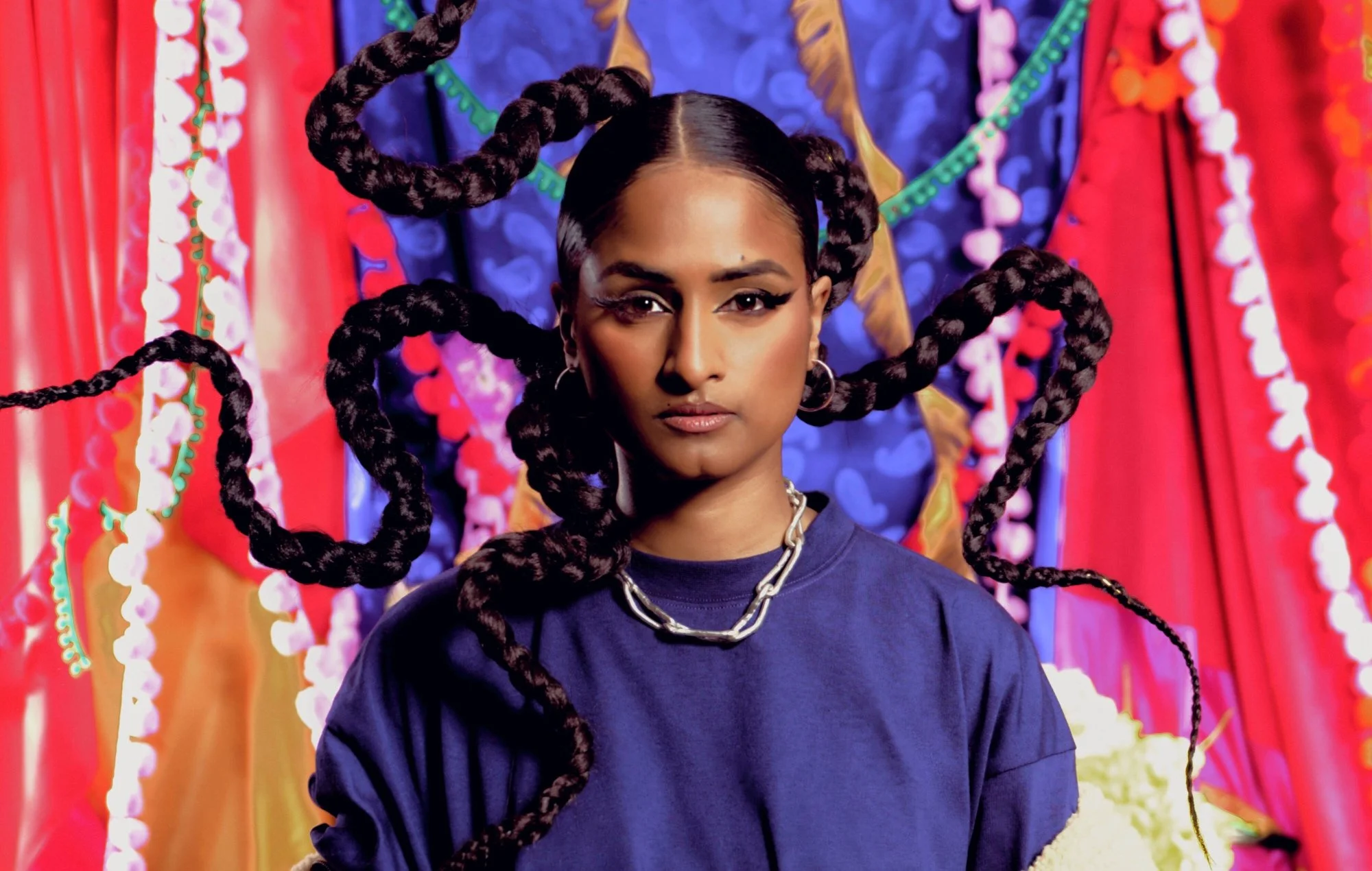
Priya Ragu, Singer-songwriter
South Asian women are more visible than ever in the creative industries, with artists like Joy Crookes and Priya Ragu, and DJs such as Jyoty, taking centre stage. But behind the scenes, the picture is far less progressive.
As a South Asian woman working in the creative industries, I am always aware of the lack of representation. Sometimes there are a few of us. Sometimes I am the only one. Sometimes we’re in spaces where culture is being consumed, but rarely in spaces where it is being defined. Before I could even enter those rooms, I had to confront something deeper. I had to confront my belief that I wasn’t supposed to be there at all. When you are a child of immigrants, you understand that your opportunities were paid for by someone else’s endurance. You grow up deeply aware of sacrifice. You don’t take that lightly.
In many South Asian households, daughters are raised with love and deep protection. But alongside that love and protection, there are boundaries, and creative careers challenge those boundaries massively. My parents left a familiar life behind to build a new life that offered safety, education and opportunity to their three daughters. Every compromise and risk they took was rooted in love. They wanted stability for us, the kind they may not have had themselves.
This often places a particular kind of pressure on Pakistani daughters. We are usually raised to be high achievers, but within limits. We are encouraged to succeed, but never at the expense of our traditions. For women from our communities, career decisions are never just personal decisions. They carry cultural weight. So when you choose something uncertain, it can feel like you are rejecting the sacrifices made by generations before you.
The creative industries require you to take up space in a new world; to influence culture and to be seen. Patriarchal systems are deeply uncomfortable with women…especially women of colour who are visible and influential. To step into this new world as a Pakistani woman feels, at times, like stepping outside of what is deemed acceptable. To not step into it can feel like erasure.
So; the absence of South Asian women as creative leaders in this space is not because we lack talent. It is because many of us are taught, directly or indirectly, that this world is not for us. And when you grow up never having seen yourself reflected in an industry, it takes an enormous amount of self belief to enter it anyway.
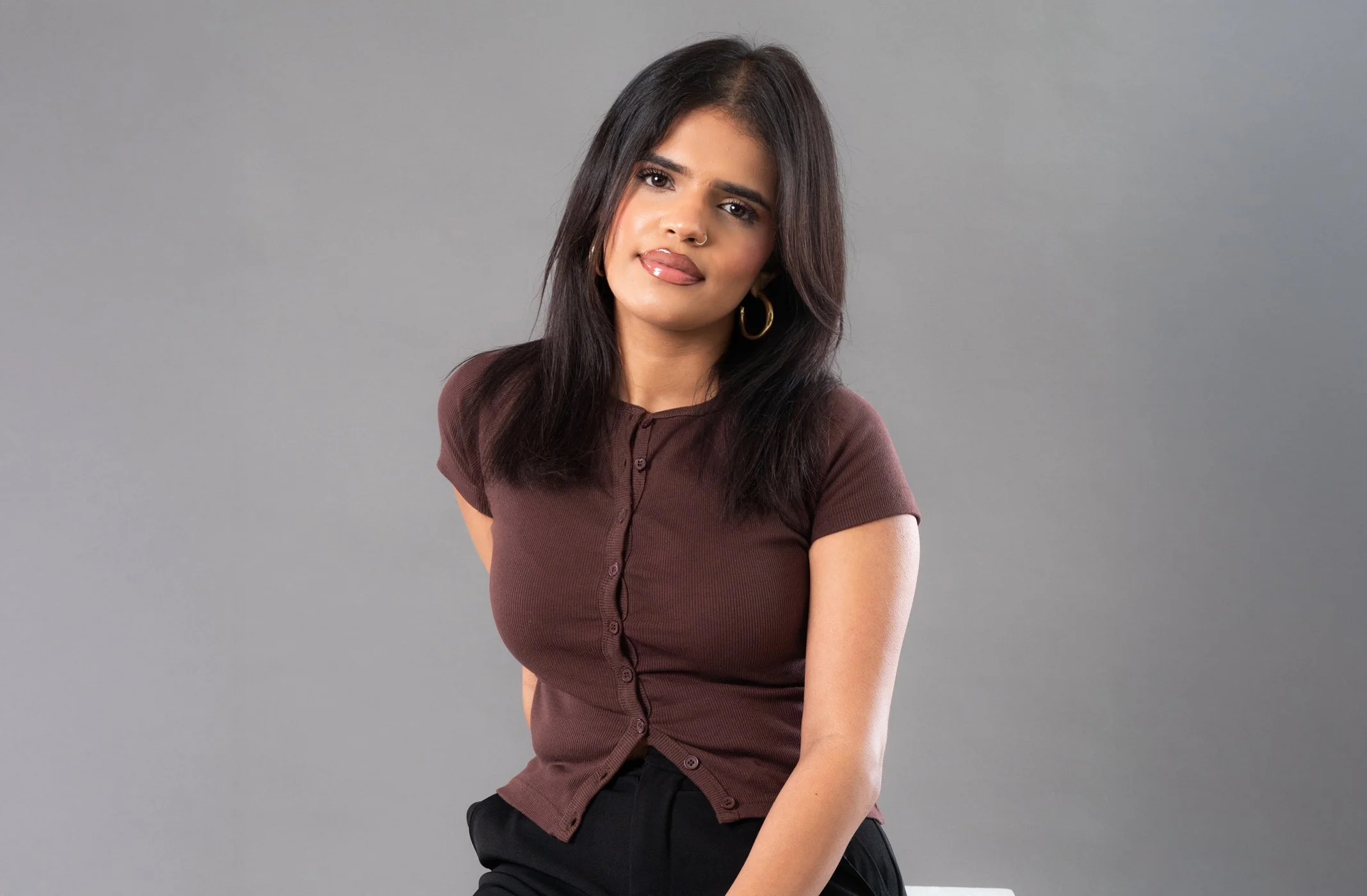
Sannah Sajid, Marketing & Comms, Punch Records
At some point, I had to face my fears and redefine what success meant to me. Because the creative industries need South Asian women, not as tokens, but as leaders. As decision makers and architects of culture. Every time a South Asian woman steps into a space she was told wasn’t hers, she expands what is possible for the generations to come, just as my parents did.
Growing up navigating two worlds, those of cultural tradition and contemporary expectation, teaches you nuance. It teaches you complexity. It teaches you how to hold multiple truths at once. Those skills are invaluable in this industry. As a Pakistani woman in the creative industries, I am often hyper aware of how I am perceived. I carry the weight of representation. I think about how my choices reflect on my family. I navigate rooms that were not designed with women like me in mind.
My journey has been about balance. About holding deep gratitude for the opportunities my parents’ sacrifices have brought me, while also challenging the quiet limitations placed around my ambitions. It is about understanding that honouring your heritage does not mean reducing your influence.
To the daughters of immigrants who feel that creative pull but also feel the weight of responsibility; you can appreciate your parents' sacrifices and still choose a different path.
You can honour your culture and still challenge its limitations. Our parents built the foundations for us, we are allowed to build further.