
The Illusion of Visibility
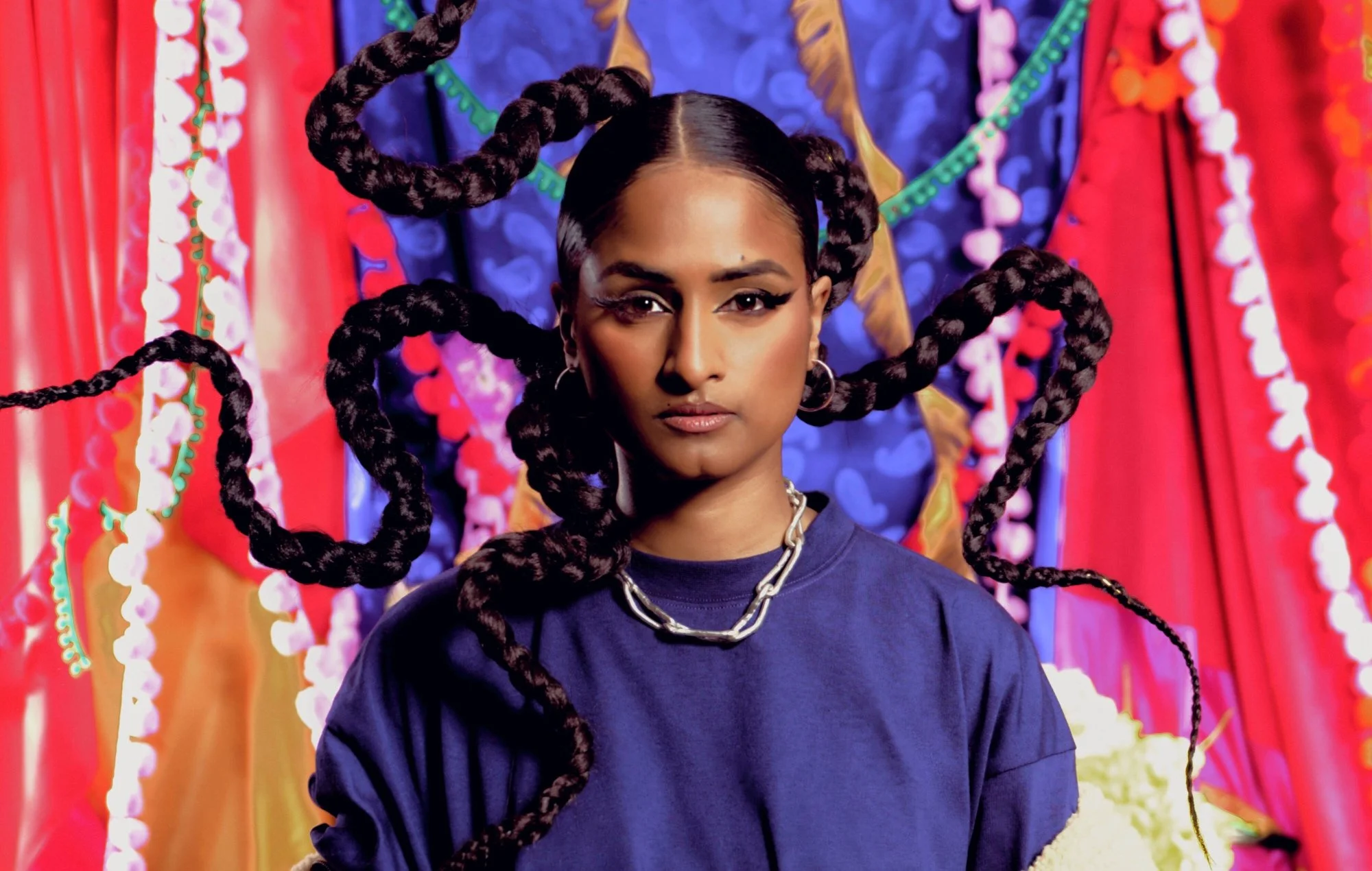
Priya Ragu, Singer-songwriter
South Asian women are more visible than ever in the creative industries, with artists like Joy Crookes and Priya Ragu, and DJs such as Jyoty, taking centre stage. But behind the scenes, the picture is far less progressive.
As a South Asian woman working in the creative industries, I am always aware of the lack of representation. Sometimes there are a few of us. Sometimes I am the only one. Sometimes we’re in spaces where culture is being consumed, but rarely in spaces where it is being defined. Before I could even enter those rooms, I had to confront something deeper. I had to confront my belief that I wasn’t supposed to be there at all. When you are a child of immigrants, you understand that your opportunities were paid for by someone else’s endurance. You grow up deeply aware of sacrifice. You don’t take that lightly.
In many South Asian households, daughters are raised with love and deep protection. But alongside that love and protection, there are boundaries, and creative careers challenge those boundaries massively. My parents left a familiar life behind to build a new life that offered safety, education and opportunity to their three daughters. Every compromise and risk they took was rooted in love. They wanted stability for us, the kind they may not have had themselves.
This often places a particular kind of pressure on Pakistani daughters. We are usually raised to be high achievers, but within limits. We are encouraged to succeed, but never at the expense of our traditions. For women from our communities, career decisions are never just personal decisions. They carry cultural weight. So when you choose something uncertain, it can feel like you are rejecting the sacrifices made by generations before you.
The creative industries require you to take up space in a new world; to influence culture and to be seen. Patriarchal systems are deeply uncomfortable with women…especially women of colour who are visible and influential. To step into this new world as a Pakistani woman feels, at times, like stepping outside of what is deemed acceptable. To not step into it can feel like erasure.
So; the absence of South Asian women as creative leaders in this space is not because we lack talent. It is because many of us are taught, directly or indirectly, that this world is not for us. And when you grow up never having seen yourself reflected in an industry, it takes an enormous amount of self belief to enter it anyway.
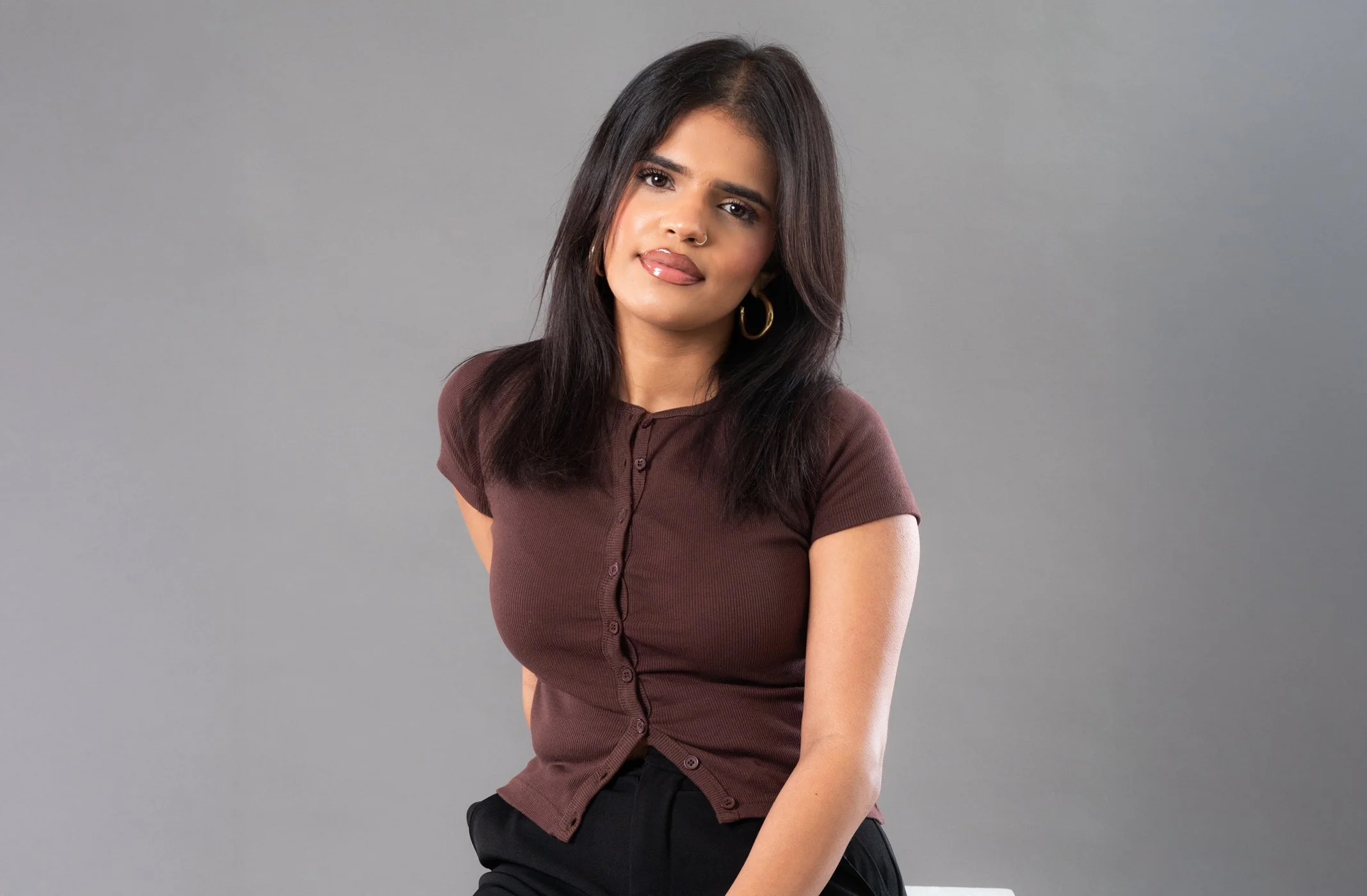
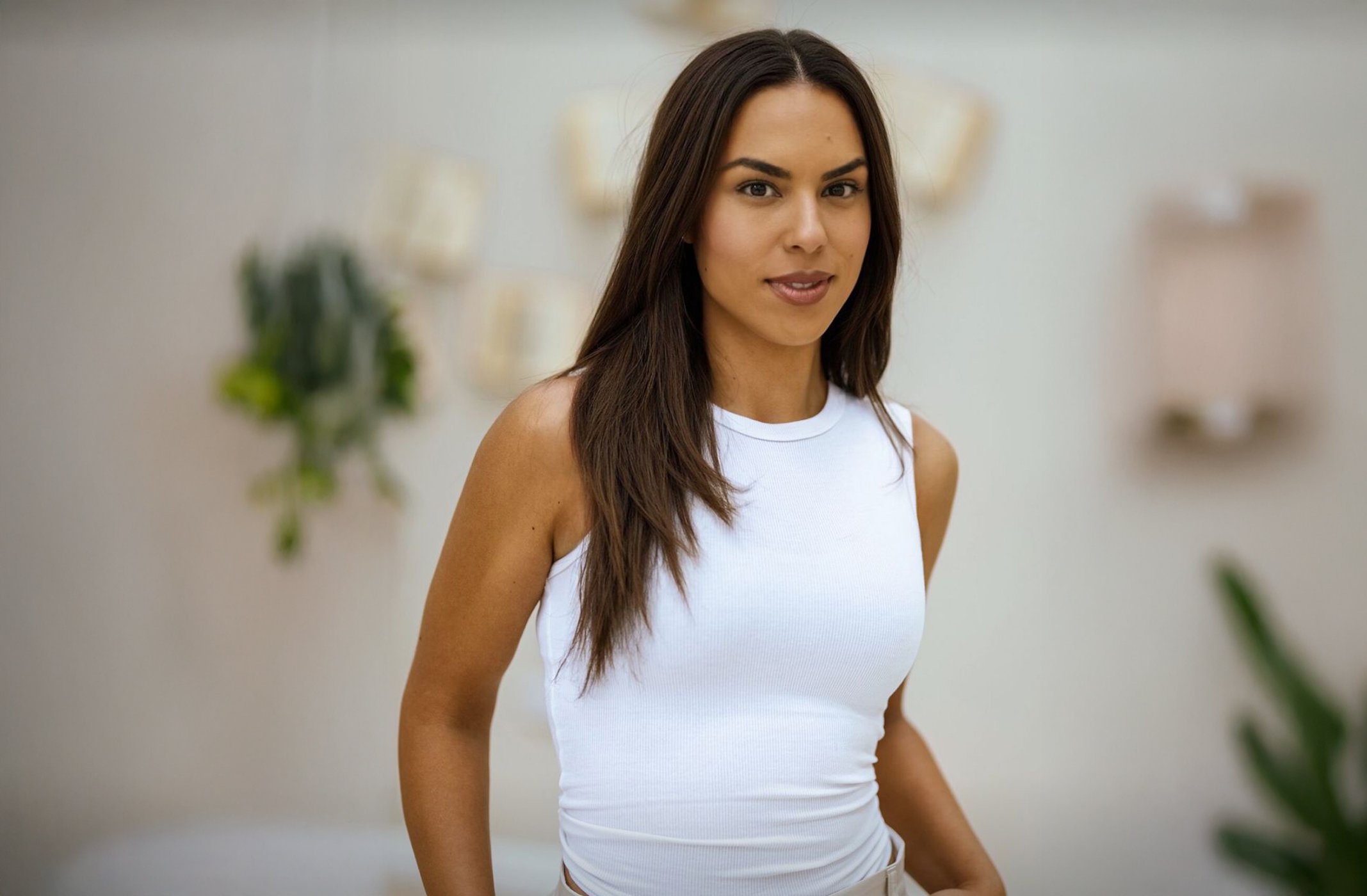
Sannah Sajid, Marketing & Comms, Punch Records
At some point, I had to face my fears and redefine what success meant to me. Because the creative industries need South Asian women, not as tokens, but as leaders. As decision makers and architects of culture. Every time a South Asian woman steps into a space she was told wasn’t hers, she expands what is possible for the generations to come, just as my parents did.
Growing up navigating two worlds, those of cultural tradition and contemporary expectation, teaches you nuance. It teaches you complexity. It teaches you how to hold multiple truths at once. Those skills are invaluable in this industry. As a Pakistani woman in the creative industries, I am often hyper aware of how I am perceived. I carry the weight of representation. I think about how my choices reflect on my family. I navigate rooms that were not designed with women like me in mind.
My journey has been about balance. About holding deep gratitude for the opportunities my parents’ sacrifices have brought me, while also challenging the quiet limitations placed around my ambitions. It is about understanding that honouring your heritage does not mean reducing your influence.
To the daughters of immigrants who feel that creative pull but also feel the weight of responsibility; you can appreciate your parents' sacrifices and still choose a different path.
You can honour your culture and still challenge its limitations. Our parents built the foundations for us, we are allowed to build further.
Born This Way? Talent vs Access and Why Success Is Never "Just About the Art"
Unlike the debate over AI - tooling or fooling? - the conversation over "Nepo babies" already seems to be cut and dried. We just don't like them. Of course some of them are talented! And of course we're not jealous! It just doesn’t sit right with us, and we feel it. Because in the music industry, we like to tell ourselves that overnight success is about talent. Or about luck. Or both. But it's always easier to get lucky with the right surname, the right contacts and the right finance behind you.
The uncomfortable truth is this: it’s not that some Nepo artists aren’t talented — some really are — it’s that their talent has been fast-tracked.
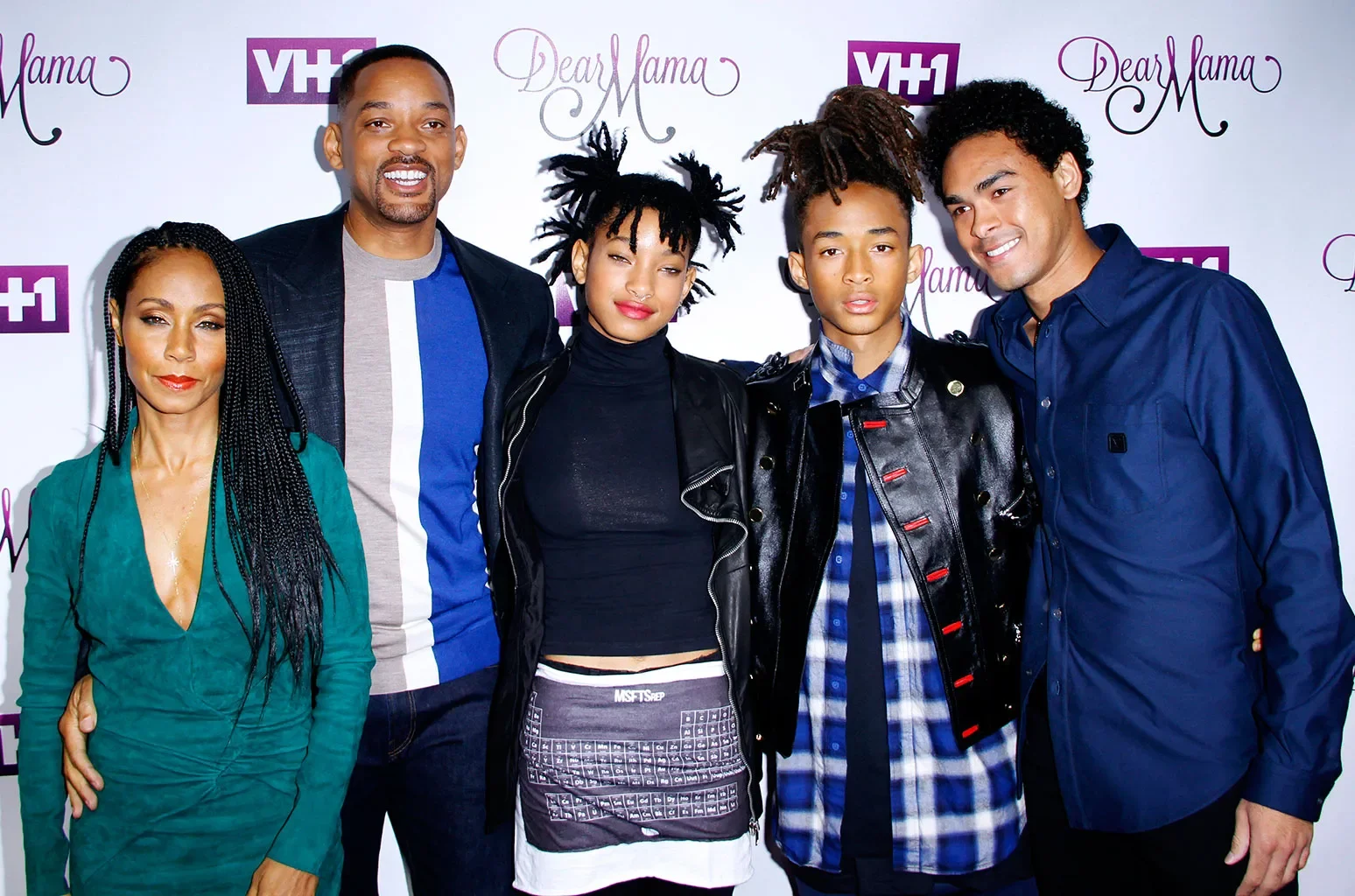
Parents Jada Pinkett Smith & Will Smith with their children Willow, Jaden and Trey Smith
Nepo babies inherit a platform and an audience long before they’ve written a song, played a gig or strutted naked into the Grammys or BAFTA’s. In an industry where audience attention is everything, inherited attention has always counted. In today’s attention economy, it counts more than ever. We’re operating in a world where followers can unlock funding, algorithms can shape careers, and metrics are mistaken for meaning. Once that machine starts moving — the playlists, the press, the introductions, the co-signs — it's never going to stop. Momentum becomes proof. Visibility becomes validation.
My question is this; if you can't bring that Kardashian clout or Beckham buzz with you - what can you bring instead?
My company, Punch, works in creative development; helping to plug the gap where youth centres used to be. The young people we see every day help answer that question for me. For artists starting from the margins, their talent has to do all the shouting. That talent has to be undeniable just to get them a hearing — and even then, it often isn’t enough.There’s no cushion for them. No soft landing. No benefit of the doubt. And yet they carry on.
There are young artists out there with ideas that will shake you. Voices that make you stop scrolling. Stories that don’t just entertain, but expand your frame. Too often, these artists are invisible to the system — not because their work isn’t good enough, but because it doesn’t come with the right signals attached. The metadata of celebrity is missing. So when people ask me, “Who’s better?” my honest answer is: "Better at what?" Better at being seen? Better at fitting an existing mould? Or just better at navigating a world that was quietly built for them?
For me, the difference comes down to lived experience. Nepo artists have never needed to Google “how to get signed” or “how to get your first break”.
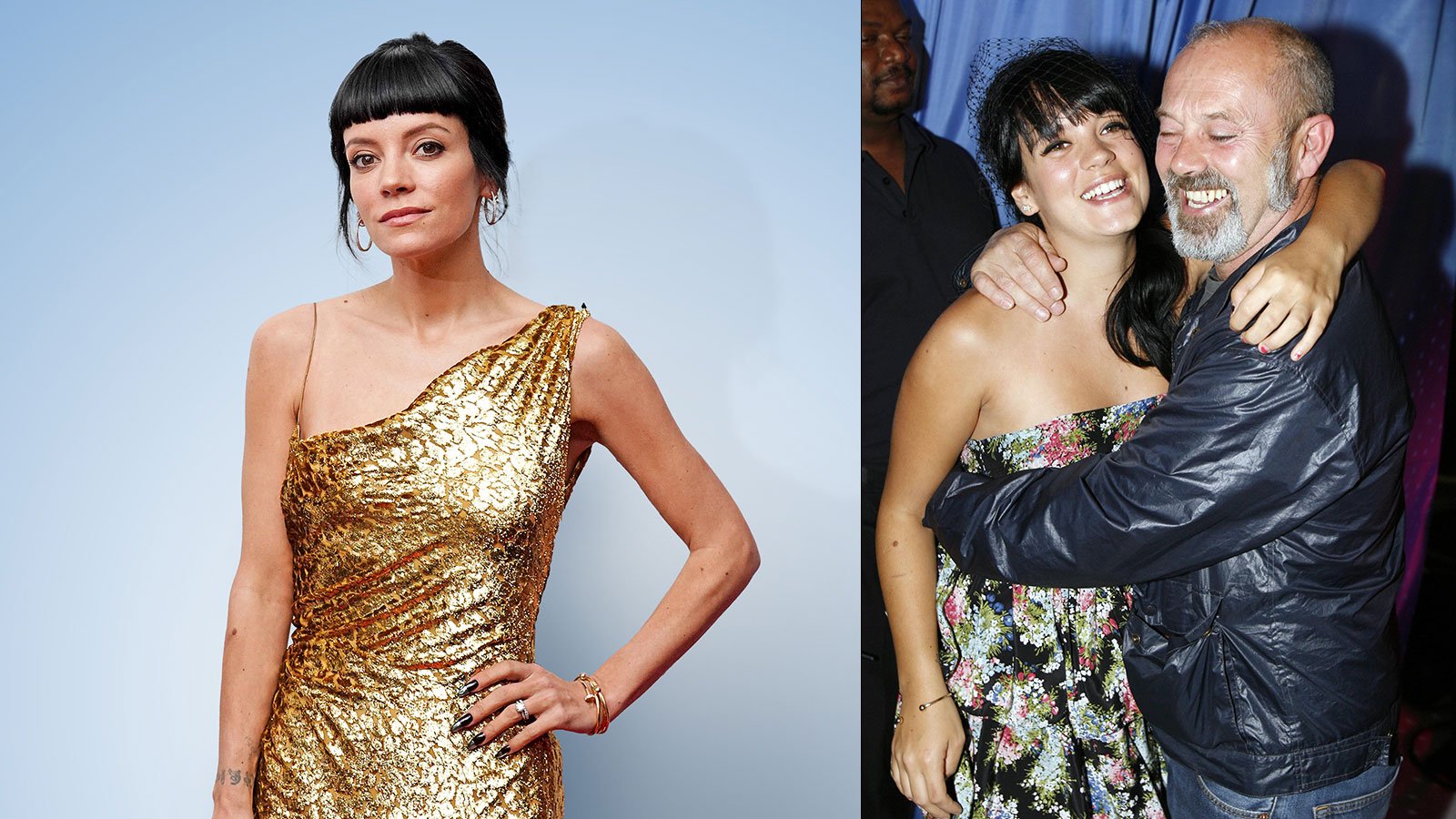
Keith Allen with daughter, Lily Allen
They didn’t just inherit the keys to the kingdom — they grow up there. For every one person born into that space, fifty more are knocking on the doors. Everything is inherited, except challenge. And challenge is an artist’s CV: what they’ve seen, what they’ve survived, and what they want to make the world understand.
I don’t doubt that inheriting visibility, credibility and the benefit of the doubt brings a unique pressure to succeed. Public failure is failure writ large, after all. But artists from the margins are risking it all every day — to make work, to make music, and to be heard in a space that was never designed with them in mind. Which is why I don’t want to see fewer nepo artists. I want to see fewer doors, and more keys.
We need more investment for those who weren’t born into it. Fairer funding. Better inreach. More platforms willing to take risks on people outside the usual circles. Because resilient, authentic and inclusive culture never comes from the top down. It always rises from the grassroots — from our estates, our bedrooms , our club scenes. From the ones who had to navigate their way without a map - think Peaky Blinders or Jaykae.
Numbers aren’t the true measure of value. Streams, followers and sell-out shows tell us something — but not everything. What really matters is what the work says. Who it’s for. What it reflects. What it risks. Our industry loves to talk about “quality”, but often struggles to recognise ideas that don’t arrive pre-packaged or pre-approved. If the creative industries are serious about originality, relevance and long-term health, we need to look beyond inherited momentum and start asking harder questions about access, equity and opportunity. Not to level artists down — but to raise the ground beneath.
Why Access to the Arts Matters and What’s Next
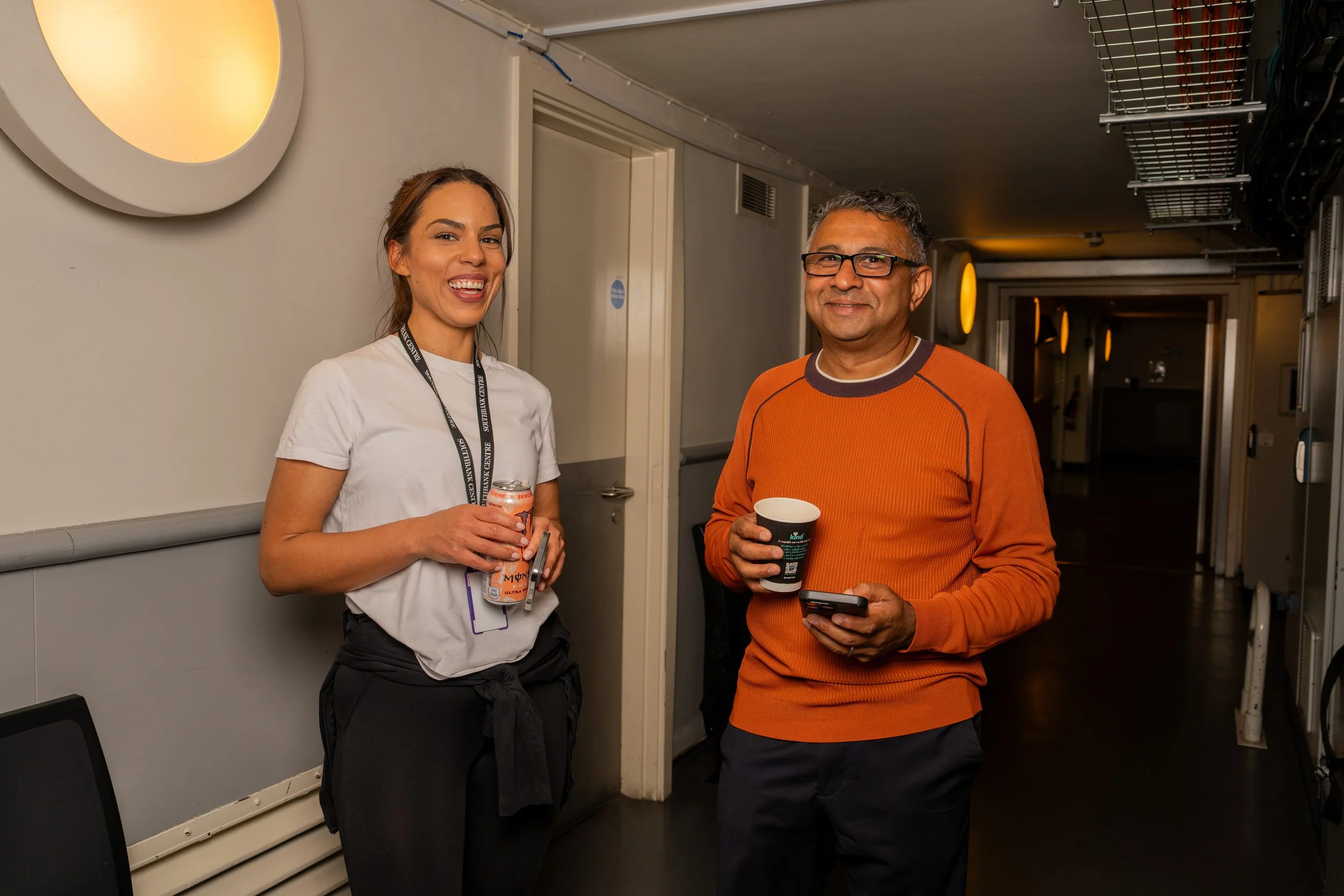
Backstage at Birmingham Symphony Hall during LEGACY (2024)
Hi! My name is Nikki and today is my last day as Head of Programme for Punch.
At school, I had great access to music and the arts. I had violin lessons, singing lessons, access to equipment, and spaces to perform if I wanted to. I studied both the technical and business sides of the arts all the way to university level. Although I struggled financially, it was possible - and I was encouraged to go for it.
Since then, I’ve worked in and around music and the arts for my entire adult life. As an aspiring artist, bar staff, promo team member, club promoter, event producer, funding advisor, marketing officer, and now Head of Programme for Punch Records. Because of this, I’ve seen the industry from multiple angles and understand both its audiences and the people it serves - from the big picture right down to the granular.
I understand the benefits of Music and Art. And more recently, I’ve begun to understand what it can look like to be deprived of them.
During my time here, I’ve worked with a wide range of Arts and Education organisations. I built a relationship with the Academy of Contemporary Music, which led to the Punch Records Scholarship. I’ve developed programmes for emerging artists from local communities, colleges, and universities, and collaborated with like-minded music organisations across the country.
One particularly eye-opening project was Equalize. In 2025, I worked on this research project, which aims to encourage more young people into music education by introducing Black and Electronic music through the national curriculum.
Through this work, I learned more about the EBacc system and the impact it has had on arts education. I saw first-hand the lack of funding for arts provision at both school and community level.
I became increasingly interested in what a lack of access to creative education means - not just for young people, but for society as a whole. As I observed that programme unfold, I found myself asking more and more questions.
If creativity isn’t encouraged in schools, where does innovation come from?
If we become less innovative, what does that mean for technology and future progress?
If we’re not engaging with music and art, how are we expressing ourselves?
If we lose traditional ways of expression, what does that mean for our mental health?
How do we represent ourselves? How do we recognise each other? What does cultural exchange look like - and what happens to our communities if that exchange disappears?
I’ve been with Punch for just under eight years, and I’m now preparing to move on. During my time here, I’ve had the space to be curious and to explore ways of addressing challenges within the music and arts industry - at both grassroots and commercial levels.
What made all of this possible was Punch itself. The team here has an incredibly broad range of lived experience, and our office culture allows us to be open, honest, and genuinely ourselves. Because of that, we’re able to approach our work authentically - and I think (and hope) that translates to people experiencing what we do as fun, real, and passionate.
No two days at Punch are ever the same. While we’re rooted in music, we work across the wider arts and regularly venture into activism, politics, and structural change where it makes sense - and where we’re able to do so responsibly. That breadth gives the work even more purpose, and I’d say that sense of purpose is what drives the majority of the team.
I’ll always be grateful for this opportunity, because it allowed me to develop my perspective through hands-on experience and the freedom to take calculated risks - something that’s incredibly rare in a sector where resources are often limited. So thank you, Ammo.
Next, I’ll be moving into a role that explores deprivation within Midlands communities. I want to learn more about the tools and methods used to remove barriers and uplift specific demographics, and to deepen my understanding of what’s needed to ensure health and happiness for everyone - regardless of postcode.
And I strongly believe that, for the greater good of humanity (not to be dramatic), this work must include greater exposure to music, arts, and culture.
So stay tuned. While I’ll no longer be a Punch employee, I fully intend to continue amplifying the positive work we’ve done together.