
Born This Way? Talent vs Access and Why Success Is Never "Just About the Art"
Unlike the debate over AI - tooling or fooling? - the conversation over "Nepo babies" already seems to be cut and dried. We just don't like them. Of course some of them are talented! And of course we're not jealous! It just doesn’t sit right with us, and we feel it. Because in the music industry, we like to tell ourselves that overnight success is about talent. Or about luck. Or both. But it's always easier to get lucky with the right surname, the right contacts and the right finance behind you.
The uncomfortable truth is this: it’s not that some Nepo artists aren’t talented — some really are — it’s that their talent has been fast-tracked.
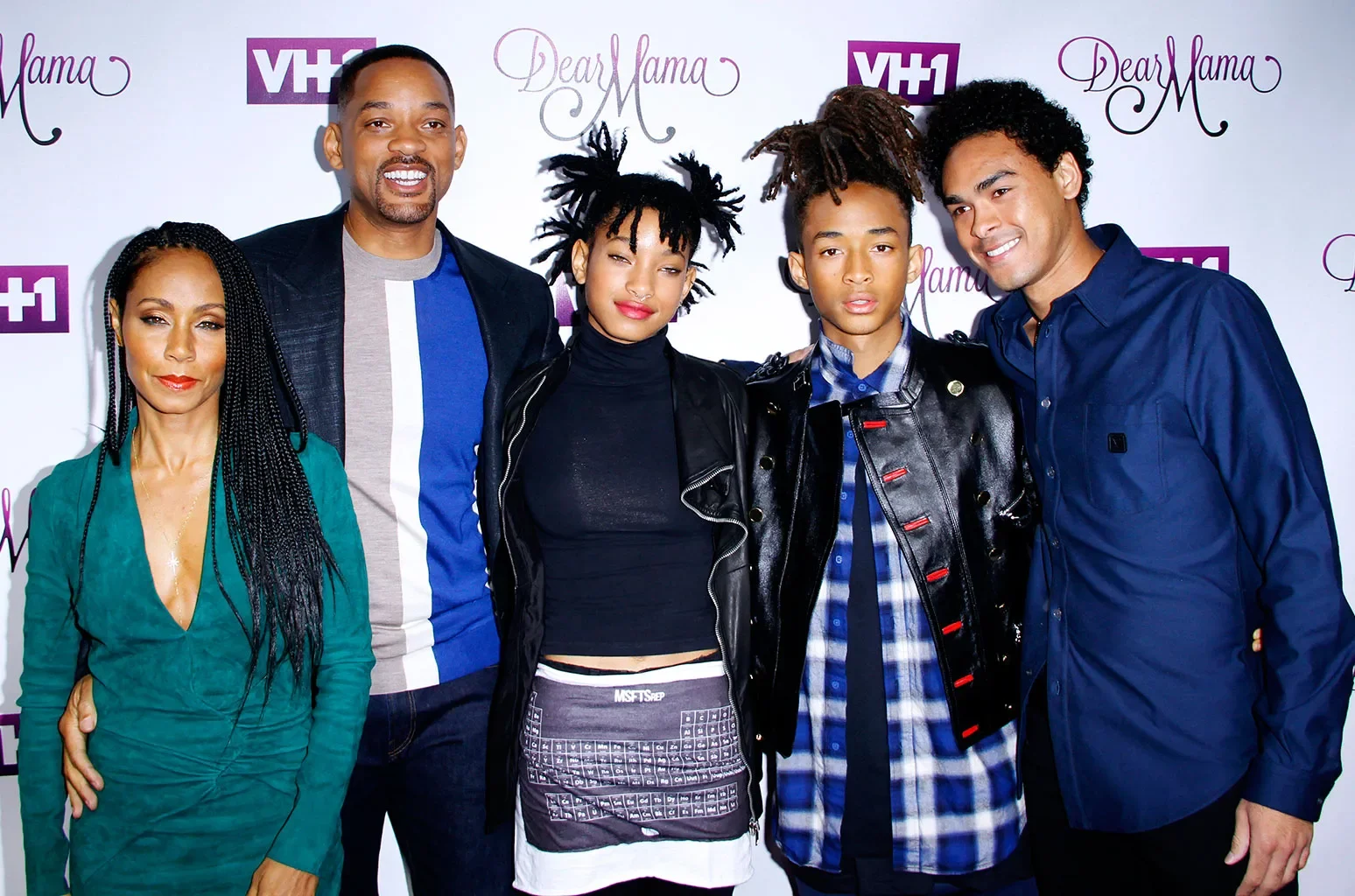
Parents Jada Pinkett Smith & Will Smith with their children Willow, Jaden and Trey Smith
Nepo babies inherit a platform and an audience long before they’ve written a song, played a gig or strutted naked into the Grammys or BAFTA’s. In an industry where audience attention is everything, inherited attention has always counted. In today’s attention economy, it counts more than ever. We’re operating in a world where followers can unlock funding, algorithms can shape careers, and metrics are mistaken for meaning. Once that machine starts moving — the playlists, the press, the introductions, the co-signs — it's never going to stop. Momentum becomes proof. Visibility becomes validation.
My question is this; if you can't bring that Kardashian clout or Beckham buzz with you - what can you bring instead?
My company, Punch, works in creative development; helping to plug the gap where youth centres used to be. The young people we see every day help answer that question for me. For artists starting from the margins, their talent has to do all the shouting. That talent has to be undeniable just to get them a hearing — and even then, it often isn’t enough.There’s no cushion for them. No soft landing. No benefit of the doubt. And yet they carry on.
There are young artists out there with ideas that will shake you. Voices that make you stop scrolling. Stories that don’t just entertain, but expand your frame. Too often, these artists are invisible to the system — not because their work isn’t good enough, but because it doesn’t come with the right signals attached. The metadata of celebrity is missing. So when people ask me, “Who’s better?” my honest answer is: "Better at what?" Better at being seen? Better at fitting an existing mould? Or just better at navigating a world that was quietly built for them?
For me, the difference comes down to lived experience. Nepo artists have never needed to Google “how to get signed” or “how to get your first break”.
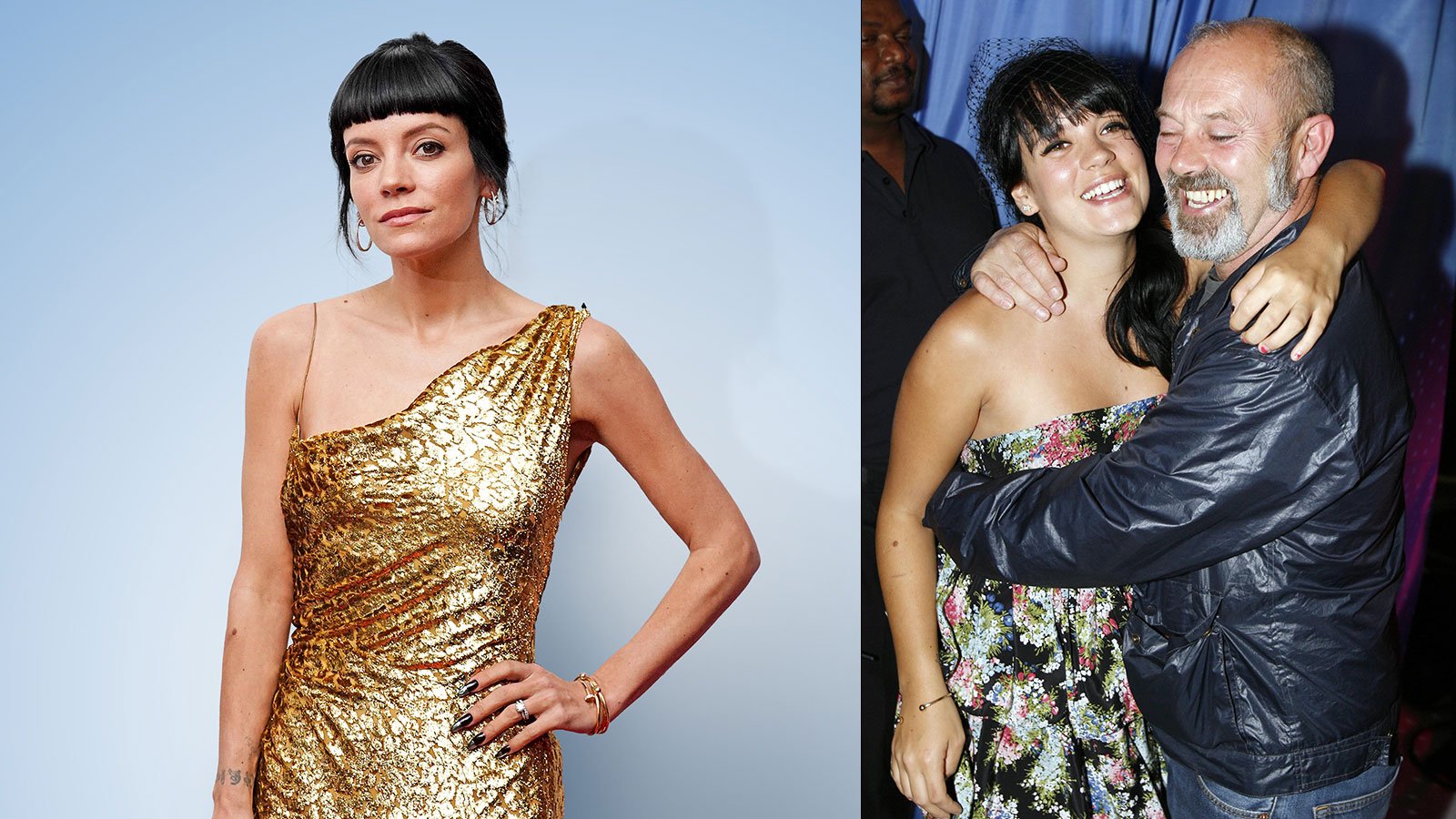
Keith Allen with daughter, Lily Allen
They didn’t just inherit the keys to the kingdom — they grow up there. For every one person born into that space, fifty more are knocking on the doors. Everything is inherited, except challenge. And challenge is an artist’s CV: what they’ve seen, what they’ve survived, and what they want to make the world understand.
I don’t doubt that inheriting visibility, credibility and the benefit of the doubt brings a unique pressure to succeed. Public failure is failure writ large, after all. But artists from the margins are risking it all every day — to make work, to make music, and to be heard in a space that was never designed with them in mind. Which is why I don’t want to see fewer nepo artists. I want to see fewer doors, and more keys.
We need more investment for those who weren’t born into it. Fairer funding. Better inreach. More platforms willing to take risks on people outside the usual circles. Because resilient, authentic and inclusive culture never comes from the top down. It always rises from the grassroots — from our estates, our bedrooms , our club scenes. From the ones who had to navigate their way without a map - think Peaky Blinders or Jaykae.
Numbers aren’t the true measure of value. Streams, followers and sell-out shows tell us something — but not everything. What really matters is what the work says. Who it’s for. What it reflects. What it risks. Our industry loves to talk about “quality”, but often struggles to recognise ideas that don’t arrive pre-packaged or pre-approved. If the creative industries are serious about originality, relevance and long-term health, we need to look beyond inherited momentum and start asking harder questions about access, equity and opportunity. Not to level artists down — but to raise the ground beneath.